




As the British summer sets in, we all welcome a bit of sunshine. However, for older people, hot weather can quickly become uncomfortable and even dangerous. At New Age Care, we understand the importance of keeping our elderly loved ones safe and happy in every season. That’s why we’ve put together these essential tips to help manage the summer heat, avoid health complications, and enjoy the season safely.
Why Older Adults Are More Vulnerable to Heat
As we age, our bodies become less efficient at regulating temperature. Seniors may not sweat as much, making it harder for them to cool down. Additionally, underlying medical conditions and medications can interfere with the body's ability to stay cool or recognise the signs of heat stress.
Older adults may also be less likely to drink enough fluids or may have mobility issues that make it harder to take steps to cool down. That’s why it’s vital to be proactive in hot weather.
Top Tips to Stay Cool
Staying cool in hot weather is essential, not just for comfort, but to prevent serious health risks like dehydration and heat stroke. These simple yet effective tips can make a big difference in keeping older people safe during the warmer months:
Stay Hydrated
Encourage regular sips of cool water throughout the day, not just when someone feels thirsty. Herbal teas, diluted fruit juice, or water with a slice of lemon or cucumber can make drinks more appealing. Avoid caffeinated drinks like coffee or cola, and alcohol, as these can contribute to dehydration.
Keep a jug of water and a glass nearby in easy reach and consider setting reminders if someone forgets to drink regularly.
Dress Appropriately
Loose fitting, lightweight clothing made from natural fabrics such as cotton, linen or bamboo allows air to circulate and helps the skin breathe. Light colours reflect heat, whereas dark colours absorb it.
A wide brimmed hat and UV protection sunglasses are essential if venturing outdoors, and make sure shoes are comfortable and breathable too.
Stay Indoors During Peak Heat
The sun is strongest between 11am and 3pm, so it’s best to plan activities for earlier in the morning or later in the afternoon. During the hottest part of the day, stay indoors in the coolest room of the house, ideally one that’s shaded from direct sunlight.
Close curtains or blinds during the day to keep rooms cooler, and open windows early in the morning or in the evening to let in fresh air once temperatures have dropped.
Use Fans or Cooling Aids
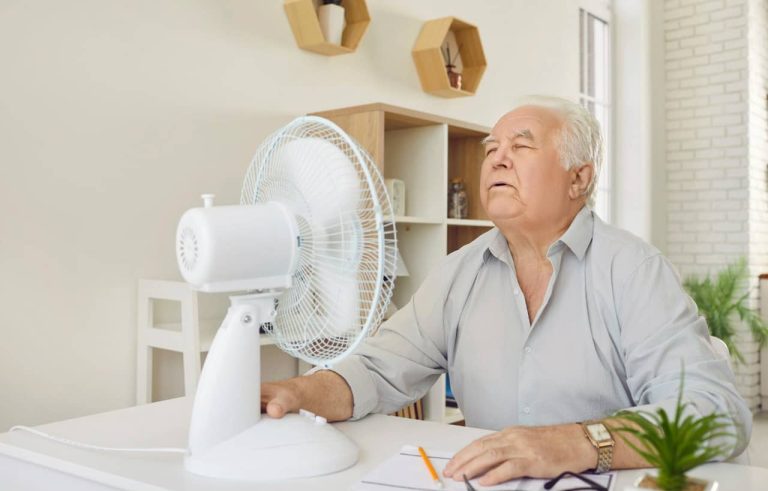
A standing or desk fan can circulate air and make a room feel significantly cooler. You can place a bowl of ice or a frozen water bottle in front of the fan for an extra cooling effect. Cooling sprays, gel pads, and even cold, damp flannels placed on the neck, wrists, or ankles can help bring body temperature down gently.
Avoid using electric blankets or heated pads during hot spells and consider switching to lighter summer bedding.
Take Cool Showers or Sponge Baths
A lukewarm or cool shower is a great way to refresh and lower body temperature. For those who find it difficult to bathe independently, a gentle sponge bath with cool water can be just as effective. Wiping down with a damp cloth throughout the day, especially on the face, neck and hands, can also provide relief from the heat.
Eat Light and Fresh
Heavy meals can raise body temperature during digestion. Instead, opt for lighter, more frequent meals throughout the day. Foods with a high water content, such as cucumbers, watermelon, strawberries, tomatoes, and leafy greens, are great choices.
Cold dishes like salads, chilled soups, and fruit platters are ideal summer meals and are often more appealing in hot weather. Encourage eating even if appetite is reduced.
Plan Ahead and Be Prepared
It’s worth checking the weather forecast each morning so plans can be adapted to suit the temperature. Make sure medications are stored correctly (some may need to be kept cool) and ensure that carers or relatives know where to find cooling supplies, water, and emergency contacts.
Keep an eye out for local heatwave warnings issued by the Met Office, which will help you take extra precautions when necessary.
Keeping the Elderly Engaged in the Heat
Hot weather can limit outdoor activities, but it doesn’t have to mean long, boring days indoors. With a little creativity and planning, there are still plenty of ways for older adults to stay mentally stimulated, socially connected, and physically active, all while keeping cool.
Indoor Activities
- Puzzles and Games
Jigsaw puzzles, word searches, crossword books, Sudoku, and card games are great for cognitive stimulation and can be enjoyed solo or with company. - Crafting and Hobbies
Many older people enjoy hobbies such as knitting, crochet, scrapbooking, drawing, or watercolour painting. These can be done comfortably indoors in a well-lit, cool area. - Reading or Audiobooks
Whether it's a light novel, a biography, or a magazine, reading is a relaxing way to pass the time. For those with vision difficulties, audiobooks or large-print books are great alternatives. - Listen to Music or Watch a Classic Film
Music has powerful emotional and cognitive benefits. Create a playlist of favourite songs or enjoy a nostalgic film afternoon with classic comedies or musicals. - Armchair Travel
Explore the world from the comfort of home using travel documentaries or virtual tours of famous landmarks and museums available online or on TV. This can be an uplifting way to pass time and spark conversation. - Memory Lane Activities
Looking through old photo albums, sharing life stories, or writing short memoirs can be emotionally enriching and spark wonderful conversations, especially with family or carers. - Creative Writing or Journaling
Encourage jotting down memories, poetry, or even simple thoughts from the day. It can be very therapeutic and enjoyable.
Light Physical Movement
- Chair-Based Exercises
Gentle seated movements such as leg lifts, arm raises, shoulder rolls, or ankle circles can improve circulation without raising the heart rate too much. There are plenty of guided videos available online or on DVD. - Stretching or Simple Yoga
Some very gentle yoga routines are designed for older adults and can be done indoors, with support if needed. This can help improve flexibility and reduce aches and stiffness from staying indoors. - Indoor Gardening
Tending to houseplants, watering window boxes, or starting a small herb garden indoors is a lovely, low-effort way to stay active and feel connected to nature.
Social and Cognitive Engagement
- Phone or Video Calls with Loved Ones
Staying connected to family and friends can lift spirits and reduce feelings of isolation. Schedule regular catchups, even if just for a short chat. - Board Games or Bingo
If others are around, such as carers, neighbours, or visiting family, simple games like Ludo, dominoes or bingo can bring fun and light-hearted competition. - Virtual Events and Groups
Many libraries, community centres, and charities offer online social groups, virtual coffee mornings, or activity clubs for older adults. These can be accessed via tablet or smartphone and provide valuable interaction. - Arts and Culture Activities
Local arts organisations often run remote workshops for older adults, including painting sessions, writing classes, or singing groups, many of which are designed for people with limited mobility.
Watch Out for Heat-Related Illnesses
Hot weather can lead to serious health problems, especially for older people. It’s important to recognise the signs early and take action quickly.
Dehydration
Older adults are more prone to dehydration because the sense of thirst becomes less reliable with age. Some medications, such as diuretics or those for blood pressure, can also contribute to fluid loss. Dehydration happens when the body doesn’t have enough fluids to function properly.
Common signs of dehydration include:
- Dry mouth or tongue
- Headaches or light-headedness
- Dizziness, especially when standing up
- Tiredness or confusion
- Less frequent urination or dark-coloured urine
- Low blood pressure
What to do:
Encourage the person to drink water regularly throughout the day, even if they say they’re not thirsty. Rehydration drinks or diluted fruit juice can help too. If symptoms persist or worsen, seek medical advice.
Heat Exhaustion
Heat exhaustion occurs when the body becomes overheated and struggles to cool itself down. It usually develops after prolonged exposure to high temperatures and insufficient fluid intake.
Symptoms of heat exhaustion include:
- Heavy sweating
- Pale or clammy skin
- Weakness or fatigue
- Nausea or loss of appetite
- Muscle cramps, especially in the arms, legs, or abdomen
- A rapid but weak pulse
- Headache or dizziness
What to do:
Move the person to a cooler area, ideally indoors or in the shade. Encourage them to lie down, sip cool water slowly, and use a damp flannel or fan to cool their skin. Loosen tight clothing and remove excess layers. If they do not begin to feel better within 30 minutes, seek medical help as it could lead to heat stroke.
Heat Stroke
This is a life-threatening emergency. Heat stroke happens when the body’s temperature rises above 40°C and can no longer cool itself.
Symptoms can include:
- Confusion, slurred speech or unresponsiveness
- A lack of sweating despite the heat
- Flushed, hot skin
- Rapid breathing or heartbeat
- Seizures
- Unconsciousness
What to do:
Call 999 immediately. While waiting for emergency services, move the person to a cool place, try to lower their body temperature using cold water, fans, or cool compresses, and stay with them until help arrives.
What Family Members and Carers Can Do
If you’re a carer or relative, check in regularly, ideally in person or via video call. Look for signs of heat stress and gently encourage fluids, rest, and use of cooling methods. It’s a good idea to keep a jug of cold water and a glass within easy reach at all times.
Ensure the living space is ventilated, and fans or cooling aids are available. Even simple steps, like helping them switch to lighter bedding or repositioning chairs away from direct sunlight, can make a huge difference.
Summer should be a time of joy, not worry. By taking a few extra precautions, the elderly can enjoy the season safely and comfortably. New Age Care, we’re here to support families every step of the way, whether that’s through regular check-ins, help with hydration and nutrition, or simply providing companionship during those long summer days.
If you’d like to learn more about how we can help your loved one stay safe and well in warm weather, don’t hesitate to get in touch with our friendly team on 0808 808 5000.
Stay safe, stay cool, and enjoy the sunshine — wisely!

