





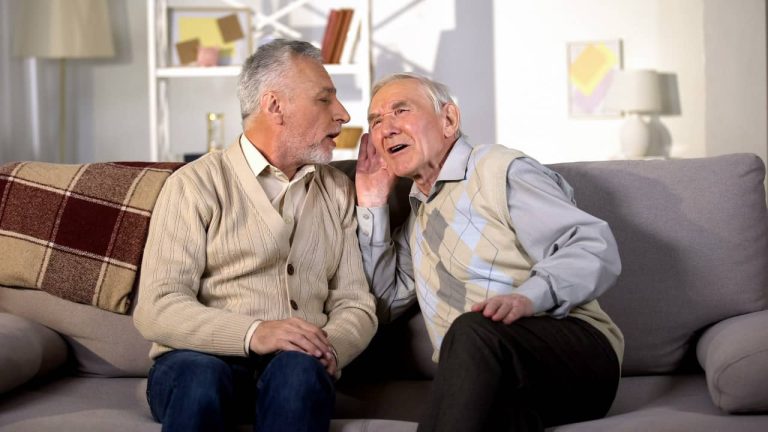
As we grow older, changes in our health and abilities are natural. One of the most common changes that occurs with age is hearing loss. Known medically as presbycusis, age-related hearing loss is a gradual decline in hearing that affects many older adults. At New Age Care, we understand the profound impact this can have on daily life, communication, and emotional well-being. In this blog, we’ll explore what age-related hearing loss is, how it happens, signs to look out for, ways to diagnose and treat it, and how it can affect quality of life.
What is Age-Related Hearing Loss?
Age-related hearing loss is a progressive, bilateral (affecting both ears) decline in hearing ability that typically starts in later adulthood. It tends to occur gradually, meaning some people may not realise it’s happening until it begins to interfere with their daily lives.
It is one of the most common conditions affecting older adults. According to the NHS, around 40% of people over the age of 50 and 70% of those over 70 experience some degree of hearing loss.
How Does Age-Related Hearing Loss Happen?
Presbycusis is primarily caused by natural ageing of the auditory system. Over time, structures in the inner ear, particularly the hair cells in the cochlea responsible for detecting sound, begin to deteriorate. These cells do not regenerate, so once they are damaged, hearing loss is permanent.
Other contributing factors include:
Genetics – A family history of hearing loss can increase the likelihood.
Long-term exposure to loud noises – Such as machinery, concerts, or heavy traffic.
Certain medical conditions – Including diabetes, stroke, or cardiovascular disease.
Ototoxic medications – Some medications can damage the inner ear.
Smoking – Linked to a higher risk of hearing impairment.
Common Symptoms of Hearing Loss
Hearing loss often develops slowly, making it difficult to notice at first. Common signs include:
- Difficulty hearing conversations, especially in noisy environments.
- Frequently asking others to repeat themselves.
- Turning up the volume on the TV or radio louder than others prefer.
- Struggling to hear high-pitched sounds like doorbells, birdsong, or children’s voices.
- Misunderstanding words and responding inappropriately.
- Ringing or buzzing in the ears (tinnitus).
- Avoiding social situations due to difficulty hearing.
If a loved one is showing these signs, it’s important not to ignore them. Early recognition can help reduce the impact on their well-being.
Diagnosis
If hearing loss is suspected, the first step is to see a GP, who may refer the individual to an audiologist for further tests. Hearing tests are painless and involve listening to a range of tones and speech at different volumes.
Diagnosing hearing loss early can help prevent isolation, improve communication, and make everyday life more manageable.
Treatment Options
While age-related hearing loss cannot be cured, there are several effective treatment options that can significantly improve hearing and quality of life:
- Hearing Aids
Modern hearing aids are small, discreet, and very effective. They amplify sounds and can be tailored to individual needs. In the UK, they are often available free of charge through the NHS, although private options are available too.
- Assistive Listening Devices
These include amplified telephones, TV hearing devices, and personal amplifiers for use in specific situations.
- Lip Reading and Communication Training
Some people benefit from learning techniques to aid communication, such as lip reading or using visual cues and gestures.
- Cochlear Implants
In severe cases where hearing aids are not effective, a cochlear implant may be considered. This is a small electronic device that is surgically implanted to stimulate the auditory nerve directly.
The Impact on Quality of Life
Hearing loss doesn’t just affect the ears – it affects every part of life. When left unaddressed, it can lead to:
Social isolation – People may avoid conversations or gatherings out of frustration or embarrassment.
Emotional distress – Feelings of loneliness, anxiety, and depression are common.
Cognitive decline – Research has linked untreated hearing loss to a greater risk of memory problems and dementia.
Safety concerns – Difficulty hearing alarms, sirens, or approaching vehicles can increase the risk of accidents.
For older adults living alone or receiving care at home, unaddressed hearing loss can make daily tasks more challenging. That’s why it’s essential for family members and carers to be aware of the signs and encourage regular hearing checks.
How New Age Care Can Help
At New Age Care, we support individuals living with age-related hearing loss by:
- Encouraging regular hearing assessments.
- Assisting with hearing aid maintenance and reminders to wear them.
- Speaking clearly and using good communication techniques.
- Ensuring the home environment supports hearing – reducing background noise and using visual alerts where possible.
- Promoting confidence and emotional well-being through compassionate care.
We believe everyone deserves to live with dignity, connection, and joy – regardless of hearing ability.
Age-related hearing loss is a natural part of growing older, but that doesn’t mean it should be accepted without support. With proper diagnosis, treatment, and compassionate care, individuals can continue to enjoy fulfilling and active lives.
If you or a loved one is struggling with hearing loss, speak to your GP or an audiologist, and don’t hesitate to reach out to New Age Care for support. We’re here to help!

