




A stroke is a life-altering event, not just for the individual who experiences it, but for their entire family. The transition from hospital to home is often the most critical phase of the journey. While the clinical setting provides immediate life-saving intervention, the real work of rehabilitation happens in the weeks and months that follow.
For many families across the UK, the primary concern is how to provide the intensive support required while maintaining the comfort and dignity of the survivor. This is where the specialized role of bespoke live-in care becomes invaluable.
In this guide, we explore how professional live-in support can accelerate stroke recovery, provide peace of mind for families, and offer a viable, superior alternative to residential nursing homes.
The Critical 'Golden Window' of Stroke Rehabilitation
Medical professionals often speak of the "golden window"—the period immediately following a stroke when the brain is most "plastic" and capable of relearning lost skills. During this time, consistency is key.
In a hospital or a busy rehabilitation unit, therapy is often scheduled around the facility’s routine. However, stroke recovery isn't a 9-to-5 process. It happens during every meal, every conversation, and every movement. Having a dedicated professional providing 24-hour home care ensures that every moment is an opportunity for progress.
Why Home is the Best Place for Stroke Recovery
Research consistently shows that patients tend to recover faster and more effectively in familiar surroundings. The emotional trauma of a stroke is significant; being in one's own home, surrounded by personal memories, pets, and family, provides a psychological "safety net" that a clinical ward cannot replicate.
1. Tailored Physical and Speech Therapy Support
A live-in carer acts as the "bridge" between professional therapy sessions and daily life. If a physiotherapist visits twice a week, the carer ensures that the prescribed exercises are performed safely every day. Whether it’s practicing gait, improving fine motor skills through household tasks, or encouraging speech exercises, the support is constant and personalised.
2. Medication Management and Monitoring
Stroke recovery often involves a complex regimen of blood thinners, blood pressure medication, and statins. Management of these is vital to prevent a secondary stroke. A live-in carer provides meticulous medication management, ensuring dosages are correct and taken on time, while also monitoring for any side effects or changes in the client’s condition.
3. Nutrition and Hydration
Difficulty swallowing (dysphagia) is a common post-stroke complication. Preparing the right consistency of food—whether it’s a softened diet or thickened liquids—is essential to prevent choking and aspiration pneumonia. A dedicated carer takes the time to prepare nutritious, home-cooked meals that meet these specific dietary requirements while remaining appetising.
The Psychological Impact: Fighting Post-Stroke Depression
It is estimated that up to one-third of stroke survivors experience post-stroke depression or anxiety. The sudden loss of independence can be devastating.
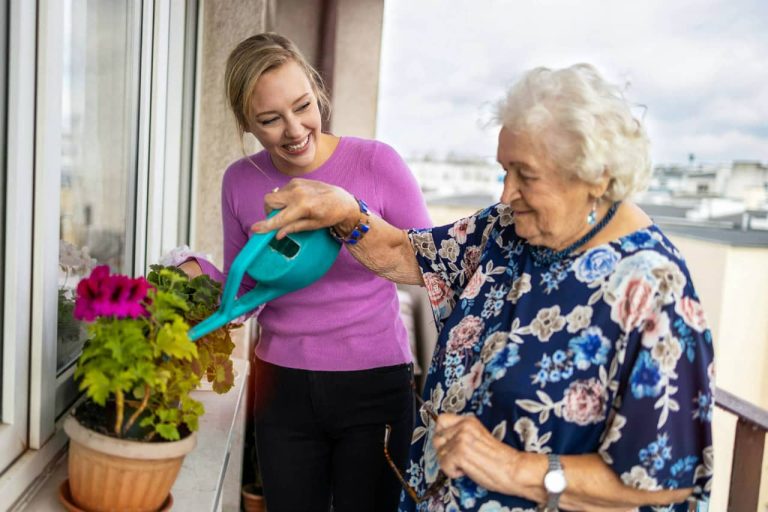
A live-in carer provides more than just physical assistance; they provide companionship. Having someone to talk to, someone who understands the frustrations of a slow recovery, and someone to celebrate the "small wins" with (like holding a cup for the first time or walking to the garden) can drastically improve a survivor’s mental health. This emotional resilience is often the fuel that drives physical recovery.
Safety and Fall Prevention
Following a stroke, balance and coordination are often compromised, making the home a potential minefield of hazards. One of the greatest benefits of 24-hour home care is the constant presence of a trained professional who can identify and mitigate these risks.
From helping with transfers from bed to chair to ensuring that the bathroom is used safely, a live-in carer provides the physical stability needed to prevent falls, which can often result in hospital readmission and a setback in the recovery timeline.
Reducing the Burden on Family Members
When a loved one suffers a stroke, family members often find themselves thrust into the role of a full-time carer overnight. This can lead to "carer burnout," straining relationships and causing immense physical and emotional exhaustion.
Choosing bespoke live-in care allows family members to return to being daughters, sons, or spouses rather than medical assistants. You can spend quality time with your loved one, knowing that their clinical and personal needs are being met by a professional.
Creating a Bespoke Care Plan with New Age Care
At New Age Care, we understand that no two strokes are the same. A "one size fits all" approach simply doesn't work for neurological recovery. Some survivors may struggle with hemiparesis (weakness on one side), while others may deal with aphasia (communication difficulties).
Our process begins with a comprehensive assessment to understand the specific challenges and goals of the individual. We then match the client with a carer who has the right personality and expertise to support their specific journey. This level of bespoke live-in care ensures that the support is not just functional, but truly life-enhancing.
Long-Term Outlook: From Recovery to Quality of Life
The ultimate goal of stroke rehabilitation is to regain as much independence as possible. For some, this might mean a return to previous activities; for others, it means adapting to a "new normal."
Live-in care is flexible. As the survivor grows stronger and more independent, the level of intervention can be adjusted. This fluid approach allows for a gradual transition that respects the survivor’s autonomy while always maintaining a safety net.
Taking the Next Step Toward Stroke Recovery at Home
A stroke is a significant hurdle, but it does not have to mean the end of independence or a move into a residential facility. By choosing 24-hour home care, you are giving your loved one the very best chance at a meaningful recovery in the place they love most.
If you or a loved one are preparing for discharge from the hospital following a stroke, contact New Age Care today. Our team is here to provide the expert, compassionate support needed to navigate the road to recovery together.
Are you looking for professional support at home? Explore our Live-in Care services to see how we can help your family regain peace of mind and focus on what matters most: recovery.

