
Down Syndrome Care

We encourage independence, reduce overwhelm and support long-term wellbeing.
ENQUIRE

Specialist Down Syndrome Care at Home

At New Age Care, we provide personalised care and support for people with Down Syndrome, helping them live as independently, confidently and fully as possible.

Every person with Down Syndrome is different. Some people may live independently with occasional support, while others may need regular help with personal care, everyday tasks, communication or getting out and about.

Our care is always centred around the individual. We take the time to understand their abilities, needs, routines, preferences and goals so that we can provide the right level of support while encouraging independence and choice.

New Age Care logo with heart-shape and doorNew Age Care logo with heart-shape and door

What is Down Syndrome?

Down Syndrome is a genetic condition caused by the presence of an extra copy of chromosome 21. People with Down Syndrome will usually have some degree of learning disability, although this varies considerably from person to person. Some people may also experience differences in communication, development and physical health.

With the right support, people with Down Syndrome can enjoy active and fulfilling lives, develop greater independence, build relationships, take part in their communities and make choices about how they want to live.

Good care starts with understanding the individual rather than making assumptions based on their diagnosis.

Trusted Down Syndrome Care for Greater Independence

Contact Us

Common Characteristics of Down Syndrome

Every person with Down Syndrome has their own personality, strengths, abilities and support needs. However, some common characteristics can include:

New Age Care logo with heart-shape and door

Learning and development

People with Down Syndrome may learn and develop at a different pace and may benefit from additional time, repetition and support when learning or completing everyday tasks.

Communication

Speech and language development can vary. Some people communicate verbally, while others may use additional methods of communication to help express their needs and choices.

Everyday living skills

Some individuals may need support with activities such as preparing meals, shopping, managing household tasks, personal care or following daily routines.

Physical health and mobility

Down Syndrome can be associated with certain health conditions, and some people may experience mobility or physical challenges that affect their everyday lives.

Social interaction and relationships

Relationships, friendships and being part of the community can be an important part of life. Some people may benefit from support to access social activities, maintain relationships or try new experiences.

Changes in needs

How New Age Care Can Help

The right care should support someone to do as much as they can for themselves while providing help where it is genuinely needed.

At New Age Care, we work with the individual and, where appropriate, their family to understand what matters to them and create support around their everyday life.

Maintaining everyday routines

Our carers can provide support with daily routines, helping individuals feel comfortable and confident while encouraging them to remain involved in the things they can do themselves.

Developing and maintaining independence

We can support everyday living skills such as preparing food, shopping, completing household tasks and making choices, helping individuals maintain or develop their independence.

Personal care

Where personal care is needed, our carers provide respectful support that protects dignity and encourages the individual to remain involved as much as possible.

Getting out and about

We can support individuals to attend appointments, visit friends and family, take part in hobbies and activities, go shopping or simply get out into their local community.

Communication and choice

Understanding how someone communicates is an important part of providing good care. Our carers take the time to listen, understand individual communication preferences and support people to express their choices.

Companionship and reassurance

Having consistent, familiar support can provide reassurance as well as companionship. Our carers build relationships with the people they support and take the time to understand what they enjoy and what matters to them.
Contact Us

The Benefits of Down Syndrome Care at Home 

Receiving care at home allows someone to remain in familiar surroundings while continuing to enjoy their usual routines, relationships and community.
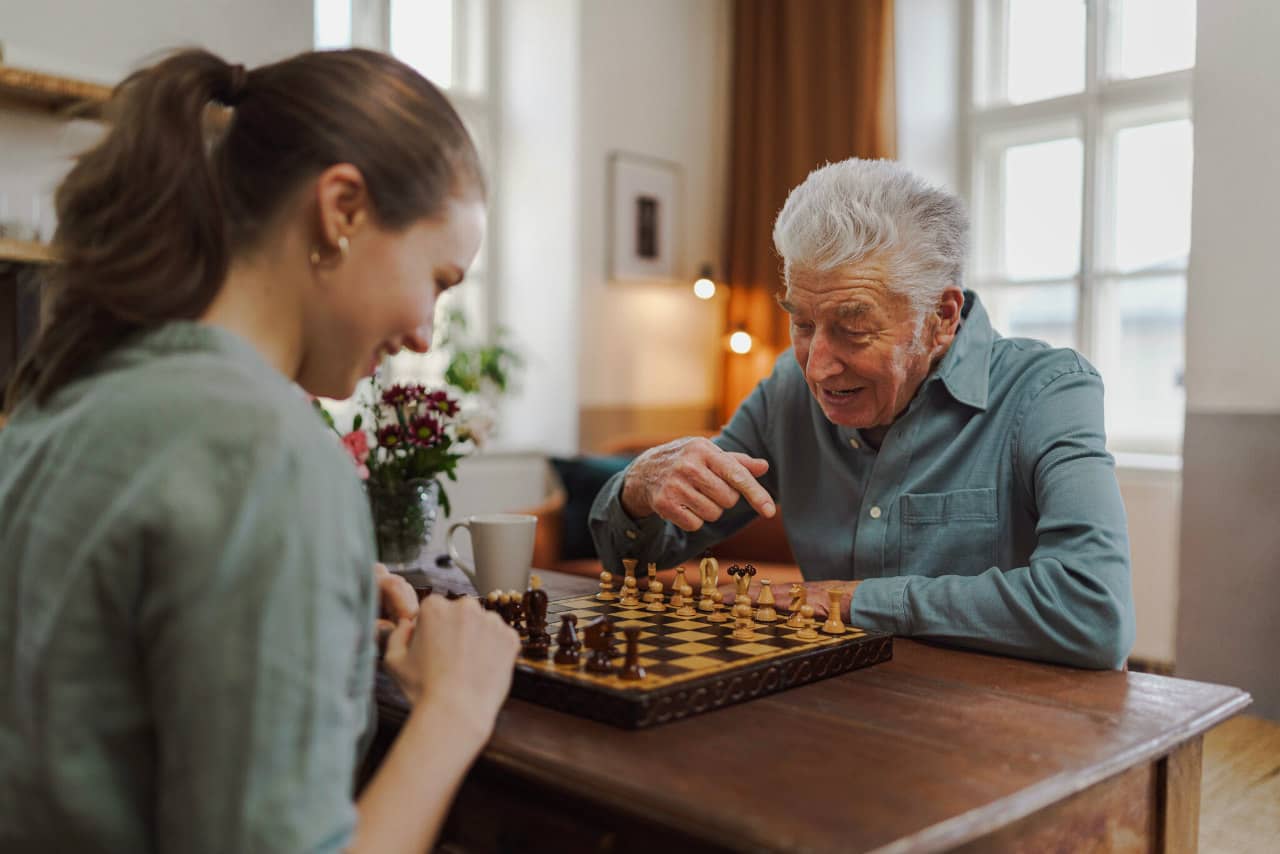
Grandfather and granddaughter playing chess at home

Personalised support

Care is built around the person, taking account of their abilities, preferences, communication, routines and individual goals.

Greater independence

Our carers encourage individuals to remain involved in everyday life and do the things they are able to do themselves, rather than automatically doing everything for them.

Familiar surroundings

Being supported at home means the individual can remain somewhere they know, surrounded by familiar people, belongings and routines.

Choice and control

Wherever possible, individuals are encouraged to make choices about their everyday life, from what they would like to eat and wear to how they spend their time.

Support for families

Professional care can work alongside the support already provided by family members, giving them additional help and reassurance when they need it.

Staying Connected

Support can help someone continue enjoying hobbies, activities, friendships and their local community rather than becoming isolated at home.

What Does Our Down Syndrome Care Include?

The support we provide will depend on the individual's needs and the level of help they require.

Down Syndrome care at home may include:

  • Personal care and getting ready for the day
  • Support with daily routines
  • Meal planning and preparation
  • Shopping and household tasks
  • Support with everyday living skills
  • Attending appointments
  • Getting out into the local community
  • Support with hobbies and activities
  • Communication support
  • Companionship and emotional support
  • Encouraging choice and decision-making
  • Supporting independence and confidence
  • Respite support for families

Care plans can be reviewed and adapted as circumstances change, helping ensure the individual continues to receive the right support for them.

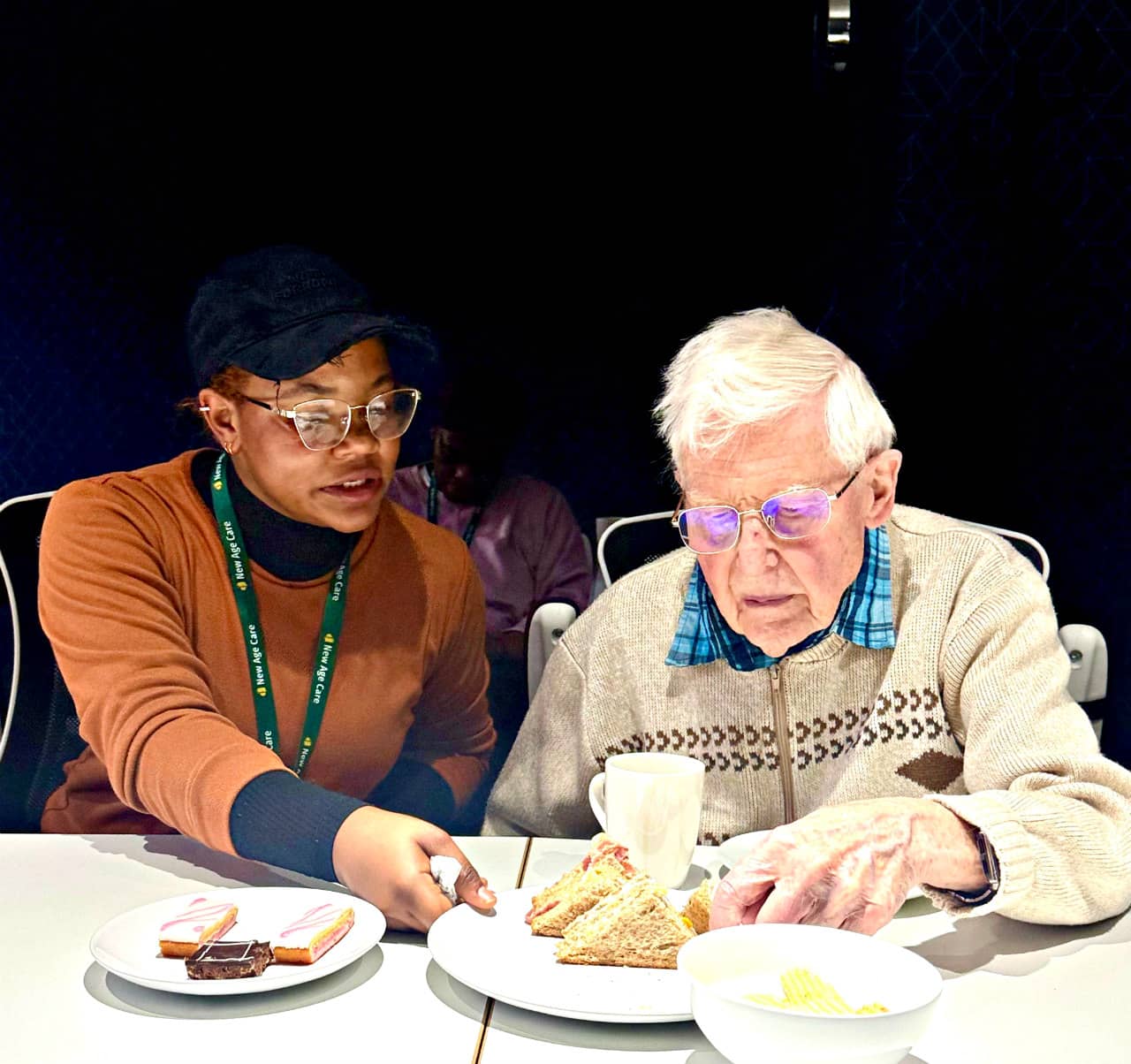
Elderly man and caregiver at lunch table.

Compassionate Down Syndrome Care at Home

Having the right support can help someone with Down Syndrome enjoy greater independence while giving families confidence that their loved one is receiving care that understands and respects them as an individual.

At New Age Care, we focus on what someone can do, what they enjoy and what they want from their everyday life, as well as the areas where they need additional help.

Whether someone needs occasional support, regular visiting care or respite care, we can create a personalised care plan around their individual needs and circumstances.

Talk to Us About Down Syndrome Care

If you are looking for care and support at home for someone with Down Syndrome, talk to the New Age Care team.

We can take the time to understand their needs, routines and preferences and discuss how our care services could support them and your family.

Contact Us
New Age Care logo with leaf motif
45 Coten End
Warwick 
CV34 4NT
01926 675 967info@newagecare.co.uk
FOLLOW US
users