





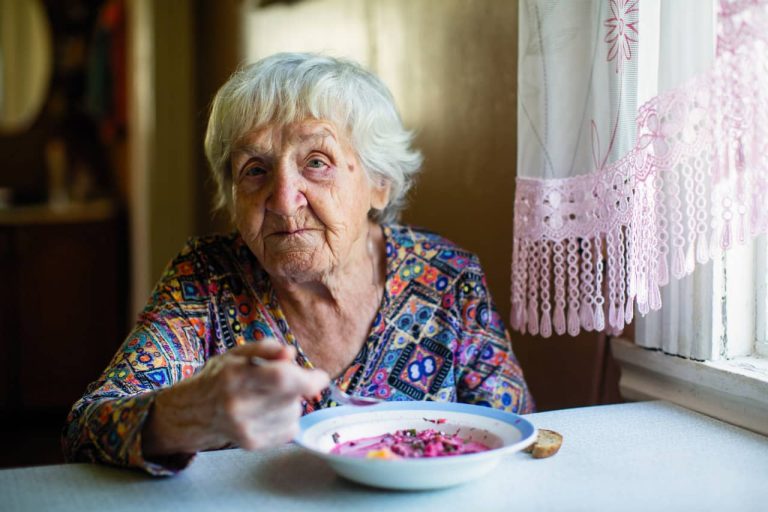
With colder weather now upon us, eating well is an important part of staying healthy throughout autumn and winter.
For older adults, maintaining a balanced diet can help support energy levels, the immune system and overall wellbeing. However, a reduced appetite or difficulties with shopping and cooking can sometimes make it harder to eat well, particularly during the colder months.
The good news is that eating healthily doesn't have to mean complicated recipes or spending hours in the kitchen. Small changes and simple, nutritious meals can make a real difference.
Here are some practical ways to maintain a healthy diet during the colder months.
Enjoy Warming, Nutritious Meals
There's nothing quite like a warming meal on a cold autumn or winter day.
Soups, stews, casseroles and slow-cooked dishes are comforting, easy to prepare in batches and can provide plenty of essential nutrients.
Some simple meal ideas include:
- Homemade vegetable soup with lentils or beans for added protein and fibre.
- Chicken or vegetable casserole with plenty of seasonal vegetables.
- Porridge topped with fruit, nuts or seeds for a warming breakfast.
- Baked potatoes with fillings such as beans, cheese or tuna.
- Scrambled eggs on toast for a quick, nutritious meal.
Using frozen or tinned vegetables can make meal preparation easier and more affordable while still providing valuable nutrients.
For older adults who find cooking tiring or difficult, preparing larger portions and freezing individual meals can help ensure something nutritious is always available.
Get Enough Protein
Protein is particularly important as we get older because it helps maintain muscle strength and supports the body's repair processes.
Maintaining muscle strength can also help with mobility, balance and independence.
Good sources of protein include:
- Eggs, fish, chicken and lean meat.
- Milk, yoghurt and cheese.
- Beans, lentils and chickpeas.
- Nuts, seeds and nut butters.
- Tofu and other plant-based alternatives.
Try to include a source of protein with each main meal.
For someone with a smaller appetite, adding cheese to a baked potato, having yoghurt with breakfast or including beans in soup can be simple ways to increase protein intake.
Stay Hydrated
It's easy to associate dehydration with hot summer weather, but drinking enough fluids is just as important during autumn and winter.
As we get older, our sense of thirst may become less noticeable, meaning we don't always recognise when we need a drink.
Water, milk, tea, coffee and other suitable drinks all contribute to daily fluid intake.
Some simple ways to stay hydrated include:
- Having a drink with every meal.
- Keeping water within easy reach throughout the day.
- Enjoying warm drinks such as tea or hot water with lemon.
- Including soups and other fluid-rich foods in meals.
- Establishing regular reminders to have a drink.
The NHS generally recommends aiming for six to eight glasses or cups of fluid a day, although individual requirements may vary depending on health conditions and medical advice.
Plenty of Fruit and Vegetables
Fruit and vegetables provide vitamins, minerals and fibre that support general health and digestion.
Autumn and winter offer plenty of seasonal choices, including carrots, parsnips, cabbage, brussels sprouts, apples and pears.
Aim to include a variety of fruit and vegetables throughout the day.
Fresh, frozen and tinned options can all contribute towards your five portions a day, making it easier to eat well without needing to shop frequently.
For older adults who find chewing or swallowing difficult, softer or cooked options may be more manageable, although anyone experiencing swallowing difficulties should seek professional advice about suitable food textures.
Vitamin D
Vitamin D helps maintain healthy bones and muscles, which is particularly important as we get older.
During autumn and winter, there isn't enough sunlight in the UK for our bodies to produce sufficient vitamin D naturally.
The NHS advises that everyone should consider taking a daily supplement containing 10 micrograms of vitamin D during autumn and winter.
Older adults who spend little time outdoors, or people with certain health conditions, may benefit from speaking to a pharmacist or healthcare professional about their individual vitamin D needs.
Foods such as oily fish, egg yolks and fortified cereals can provide some vitamin D, but it can be difficult to get enough through diet alone.
What If Someone Has a Reduced Appetite?
A reduced appetite can become a concern for some older adults, particularly those living alone, managing health conditions or finding meal preparation difficult.
Eating alone can also make mealtimes less enjoyable, sometimes leading to skipped meals or smaller portions.
If someone is struggling to eat enough, it may help to:
- Offer smaller meals more frequently throughout the day.
- Include nutritious snacks such as yoghurt, cheese, fruit or toast.
- Prepare favourite meals that are familiar and appealing.
- Make mealtimes more sociable by eating together.
- Offer help with shopping, cooking or serving meals.
Unintentional weight loss, a persistent lack of appetite or difficulty eating should be discussed with a GP or healthcare professional.
How New Age Care Can Help
At New Age Care, we understand that preparing meals and maintaining healthy eating habits can become more challenging for some older people.
Our care professionals can provide personalised support to help individuals continue enjoying regular, nutritious meals in the comfort of their own homes.
Depending on individual needs, this may include:
- Helping with food shopping and meal planning.
- Preparing meals and snacks.
- Supporting individuals who need assistance with eating and drinking.
- Encouraging regular hydration.
- Providing companionship during mealtimes.
- Helping maintain familiar routines around food and dining.
We recognise that everyone has different tastes, dietary requirements and routines, and our approach is always centred on individual preferences and needs.
Staying Healthy Throughout Autumn and Winter
Eating well during the colder months doesn't need to be complicated.
A varied diet, regular meals, enough fluids and a little planning can all help older adults maintain their health, energy and independence throughout autumn and winter.
Whether it's enjoying a warming bowl of soup, preparing a favourite family recipe or sharing a meal with someone else, good food can also bring comfort and enjoyment to everyday life.
If you or an older family member would benefit from additional support with shopping, meal preparation or everyday care, New Age Care is here to help.
Contact our friendly team on 0808 808 5000 or visit www.newagecare.co.uk to find out more about our personalised home care services.

