





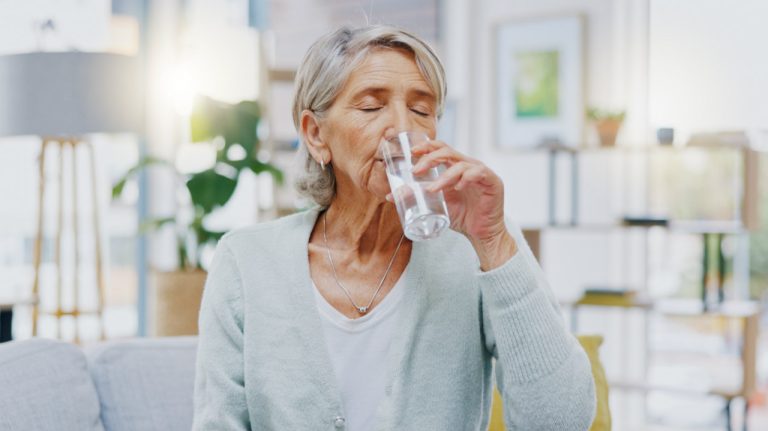
Hydration Tips for Older Adults in Warmer Weather
As temperatures rise, staying hydrated becomes even more important, especially for older adults who are more susceptible to dehydration. In this blog, we’ll explore why hydration is essential for seniors, how to recognise signs of dehydration, and practical tips to maintain good hydration levels throughout the warmer months.
Why Hydration Is Crucial for the Elderly
As we age, our bodies undergo various changes that can make it harder to maintain proper hydration. The sense of thirst diminishes, making older adults less likely to drink enough water. Additionally, certain medications, medical conditions, and reduced kidney function can increase the risk of dehydration.
Proper hydration is essential for maintaining:
Healthy Digestion: Water aids in digestion and helps prevent constipation, a common issue among the elderly.
Joint Health: Staying hydrated ensures that joints remain lubricated, reducing discomfort.
Temperature Regulation: Water helps regulate body temperature, which is crucial during hot weather.
Cognitive Function: Dehydration can lead to confusion, dizziness, and even falls in older adults.
Recognising the Signs of Dehydration
Dehydration can be dangerous if left unaddressed. Family members, caregivers, and older adults themselves should be aware of the signs, which include:
- Dry mouth and lips
- Dark yellow urine or infrequent urination
- Dizziness or light-headedness
- Confusion or difficulty concentrating
- Fatigue
- Rapid heartbeat or breathing
What to Do If Dehydration Occurs
If you suspect someone is dehydrated, take immediate action:
- Encourage them to sip water slowly rather than drinking large amounts at once.
- Offer hydrating foods such as watermelon, cucumber, and oranges.
- Use oral rehydration solutions if recommended by a healthcare provider.
- If symptoms are severe, seek medical attention immediately.
Tips for Staying Hydrated in Warmer Weather
Here are some simple yet effective ways for older adults to maintain hydration:
Keep Water Accessible: Make sure water is always within reach, whether at home or when out and about.
Set Reminders: Use alarms or reminders to prompt regular drinking throughout the day.
Enjoy Hydrating Foods: Incorporate water-rich foods like soups, fruits, and vegetables into meals.
Choose Suitable Beverages: Water is best, but herbal teas, diluted fruit juices, and milk can also help with hydration.
Monitor Urine Colour: A pale, straw-coloured urine indicates proper hydration.
Limit Caffeinated and Alcoholic Drinks: These can have a diuretic effect and increase the risk of dehydration.
The Role of Caregivers in Promoting Hydration
Caregivers can play a vital role in ensuring older adults stay hydrated:
- Regularly offer drinks without waiting for the person to ask.
- Make drinking enjoyable by using their favourite cups or offering a choice of beverages.
- Gently remind them of the importance of drinking water, especially during hot weather.
- Monitor for signs of dehydration and take action if they appear.
Hydration is a vital part of maintaining health, especially for older adults who may not feel thirsty even when they need water. By being proactive and making hydration a priority, caregivers and family members can help prevent dehydration and keep their loved ones healthy and comfortable during warmer weather.
If you or a loved one needs extra support with daily living tasks, including ensuring proper hydration, our caring team at New Age Care is here to help. Contact us on 0808 808 5000 to learn more about our personalised care services.

