



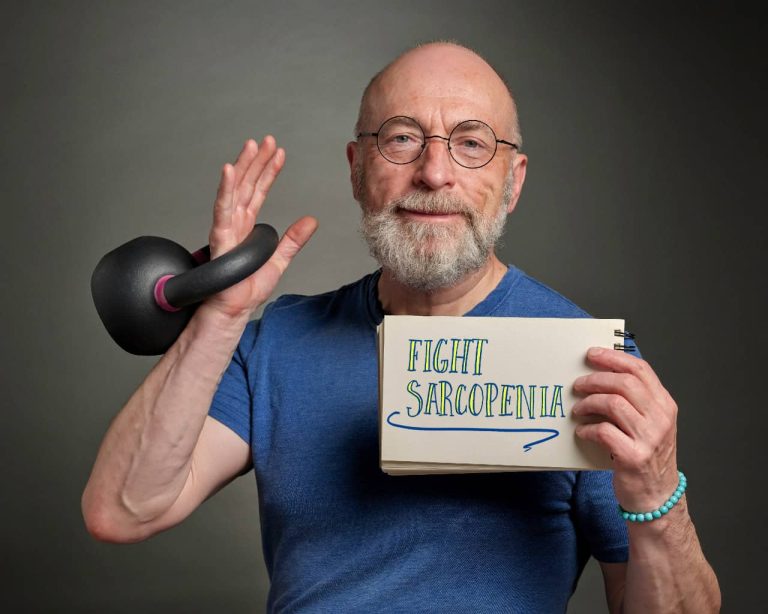
Muscle loss is one of the most common (and often overlooked) changes that happens as we get older. It can start gradually from midlife, but becomes more noticeable later on, affecting strength, balance, mobility, and independence. Many people assume it’s simply “part of ageing”, but while some change is natural, significant muscle loss is not inevitable. With the right approach, it can often be slowed, managed, and even improved.
Age related muscle loss is commonly linked to a condition called sarcopenia, which is now widely recognised as a major contributor to frailty and falls in older adults. Understanding what causes it, and what you can do about it, can make a huge difference to long-term quality of life.
What is muscle loss in older adults?
As we age, we naturally lose some lean muscle mass. However, when that loss becomes more pronounced and begins to affect strength and function, it becomes a health concern.
Sarcopenia is typically described as the progressive loss of muscle mass, muscle strength, and physical performance. It’s not just about muscles getting smaller, it’s about the reduced ability to use muscles effectively, which impacts everyday life.
Signs can include:
- Finding it harder to stand up from a chair
- Feeling weaker when carrying shopping bags
- Slower walking speed
- Poor balance or increased falls
- Reduced stamina
- Struggling with stairs
It often develops slowly, which means people don’t notice it until it starts affecting activities and independence.
What causes muscle loss?
Muscle loss is rarely caused by one single factor. Instead, it usually develops from a mix of physical, nutritional, medical, and lifestyle influences.
Reduced activity levels
One of the biggest contributors is simply moving less. After retirement, illness, injury, or the loss of confidence, people often become less active without meaning to. Muscles respond quickly to reduced use, and once strength declines, people tend to avoid movement more, creating a cycle of further weakness.
Even short periods of inactivity, such as time in hospital or resting after a fall, can cause significant loss in muscle strength.
Not enough protein or calories
Muscles need building blocks to repair and maintain themselves. If someone isn’t eating enough (which can happen due to reduced appetite, difficulty cooking, dental issues, or low mood), the body has less fuel to support muscle health.
Protein is particularly important because it provides the amino acids used to rebuild muscle tissue.
Age-related changes in muscle and hormones
As we get older, the body becomes less efficient at building muscle, even when protein intake is adequate. Hormonal changes also play a role, including reductions in testosterone, oestrogen, and growth hormone, all of which influence muscle maintenance.
Chronic illness and inflammation
Long-term conditions can accelerate muscle loss. These may include:
- Diabetes
- Heart failure
- COPD
- Kidney disease
- Arthritis
- Cancer
Chronic inflammation in the body can contribute to muscle breakdown, and fatigue or pain can reduce activity levels.
Medication side effects
Some medications may indirectly contribute by causing fatigue, appetite changes, nausea, or weakness. Long-term steroid use is one example that can reduce muscle mass over time.
Vitamin D deficiency
Vitamin D supports muscle function and balance. Low levels are common in the UK, particularly in winter and in people who spend less time outdoors.
How is muscle loss diagnosed?
Diagnosis is often based on a combination of symptom discussion and simple physical measurements. A GP, physiotherapist, or geriatric specialist may assess:
- Grip strength (using a hand-held device)
- Chair rise test (how easily someone stands from sitting)
- Walking speed
- Balance and mobility assessments
In some cases, muscle mass can be estimated using body scans such as DEXA or bioelectrical impedance, though these aren’t always necessary to begin treatment.
Importantly, even without a formal diagnosis, any decline in strength or mobility is worth addressing early.
Management: What helps rebuild or protect muscle?
The good news is that muscle can respond to change at any age. Improvement may be slower than in younger adults, but the body is still capable of gaining strength and function.
Strength training (the most effective tool)
Resistance-based exercise is the gold standard for protecting and improving muscle. This does not mean heavy weights in a gym. It can include:
- Sit-to-stands from a chair
- Wall push-ups
- Resistance bands
- Light dumbbells
- Step-ups
- Supported squats
The key is consistency and gradually increasing challenge over time.
Even two sessions per week can lead to meaningful improvement in strength, confidence, and stability.
Eating enough protein
Protein needs are often higher in older age, particularly if someone is recovering from illness or trying to regain strength.
Helpful sources include:
- Eggs
- Greek yoghurt
- Milk
- Fish
- Chicken or turkey
- Lentils, beans and tofu
- Protein-enriched soups or shakes if needed
Including protein at every meal tends to be more effective than having most of it at one sitting.
Addressing underlying causes
A full plan should also consider:
- Treating pain to enable movement
- Managing low mood and motivation
- Improving sleep quality
- Reviewing medications
- Supporting long-term conditions
- Checking vitamin D and iron levels where appropriate
Falls prevention support
Falls are both a cause and consequence of muscle loss. Balance work (often included in physiotherapy programmes) can reduce risk dramatically. Simple exercises like heel-to-toe walking, standing on one leg while holding a countertop, or stepping sideways can help build stability.
Prevention
Prevention is not about perfection; it’s about building small habits that protect long-term strength.
A strong prevention plan includes:
- Regular strength exercise (at least twice weekly)
- Daily movement (walking, gardening, gentle stretching, housework)
- Protein with every meal
- Enough calories overall (especially after illness)
- Vitamin D support, especially during winter
- Staying socially connected, which can improve motivation and routine
One of the most helpful mindset shifts is: muscle health isn’t only about appearance, it’s about function. It’s about being able to get up from the floor, carry shopping, climb stairs, or enjoy a day out without fear of falling or needing help.
Small changes, Big difference
Muscle loss can be disheartening, especially if it creeps up slowly, but it’s one of the most “changeable” parts of ageing. Supporting strength is one of the best investments in future independence, confidence, and quality of life.
If you or a loved one is noticing increasing weakness, unsteadiness, or reduced stamina, it’s worth speaking to a healthcare professional. It’s also worth knowing that small, steady changes in movement and nutrition can make a real difference.
Muscle is not just something we lose with age. It’s something we can protect and, in many cases, rebuild.

