





afe Home Checklist for Elderly Loved Ones
Ensuring that elderly loved ones are safe, comfortable, and supported at home is one of the greatest priorities for families. It’s about more than just preventing accidents; it’s about creating an environment where they can continue to live independently with confidence and peace of mind.
At New Age Care, we understand that maintaining independence is vital for well-being, and that feeling safe at home plays a huge role in that. To help, we’ve created this comprehensive Safe Home Checklist to guide you through key areas to review and practical steps you can take to make your loved one’s home safer and more comfortable.
- Clear Walkways and Remove Hazards
Trips and falls are among the most common causes of injury for older adults, but many can be prevented with a few simple changes. Regularly check for loose rugs, electrical cords, or clutter that might obstruct pathways. Make sure walkways and hallways are clear and that furniture doesn’t block the route from one room to another.
If possible, secure rugs with non-slip pads or double-sided tape, and keep everyday items within easy reach to minimise the need to stretch or bend. These small adjustments can make a significant difference to safety and mobility.
- Improve Lighting
Good lighting is essential for reducing the risk of falls, particularly for those with limited vision. Ensure every room is well lit, paying extra attention to staircases, hallways, and entrances.
Nightlights in the bedroom, bathroom, and hallway can help prevent accidents during nighttime trips to the toilet. Consider using motion-sensor lights, which automatically turn on when someone walks by, a simple yet effective way to improve safety without adding inconvenience.
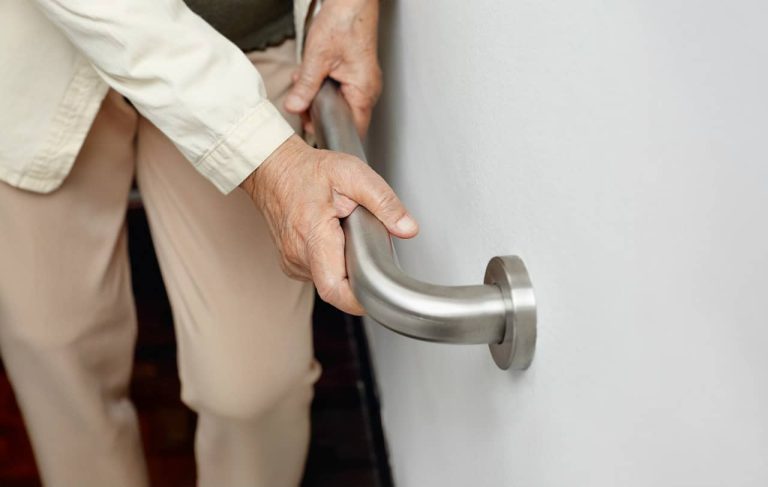
- Install Grab Bars and Handrails
Bathrooms and stairways are two of the most hazardous areas in the home for elderly people. Installing sturdy grab bars near the toilet, shower, and bath provides extra support when standing or sitting. Similarly, ensure all stairs have secure handrails on both sides.
These fittings may seem like small changes, but they greatly reduce the likelihood of slips and falls, helping your loved one to move around more confidently.
- Check Smoke and Carbon Monoxide Detectors
Smoke alarms and carbon monoxide detectors save lives. Test them monthly and replace the batteries at least once a year. If your loved one struggles with hearing loss, consider installing alarms with flashing lights or vibrating alerts to ensure they are noticed in an emergency.
It’s also worth keeping a fire extinguisher in the kitchen and making sure your loved one knows where it is and how to use it.
- Secure Rugs and Carpets
Loose rugs or frayed carpets can easily cause trips. Use non-slip mats or secure rugs firmly to the floor or remove them entirely if they pose a hazard. Check that carpets are in good condition and that edges are properly fixed down. A smooth, even surface is always safest for those with reduced mobility or balance issues.
- Adjust Furniture Layout
A well-planned furniture layout not only makes the home look tidier but also helps reduce the risk of accidents. Arrange furniture to create clear, wide walkways, ensuring that there’s plenty of space for walking aids or wheelchairs if needed.
Avoid sharp-edged furniture and make sure that essential items such as phones, reading glasses, or the TV remote, are easy to reach. Thoughtful arrangement can help your loved one move around their home safely and comfortably.
- Organise Medication and Essentials
Keeping medication organised is crucial for both safety and health. Store medicines in clearly labelled containers, ideally in a secure but easily accessible place. Pill organisers can help with managing daily doses, and a written list of medications, dosages, and prescribing doctors should be kept somewhere visible, such as on the fridge.
This not only helps your loved one stay on top of their medication but also assists emergency responders or carers if needed.
- Check Water Temperature
Older adults are more vulnerable to burns, especially if their skin is thin or if they have slower reaction times. To prevent scalding, make sure the hot water temperature is set to no higher than 49°C (120°F).
Test the water before use and consider installing anti-scald devices on taps and showers for added safety.
- Emergency Preparedness
In an emergency, every second counts. Keep emergency contact numbers clearly displayed near the telephone and in the kitchen. Encourage your loved one to carry a wearable medical alert device or mobile phone so they can call for help quickly if needed.
Discuss emergency procedures together including what to do in case of fire, power cuts, or medical emergencies, and make sure that exits and escape routes are always clear.
- Regular Maintenance and Safety Checks
Regular home maintenance is key to preventing accidents before they happen. Check that handrails, bannisters, and steps are sturdy, and that electrical appliances are in safe working order.
Simple monthly checks, such as ensuring lightbulbs are working or that heating systems are operating safely, can make a big difference in creating a safe home environment.
Supporting Independence and Peace of Mind
Creating a safe and comfortable home for an elderly loved one doesn’t have to be complicated, it just takes awareness, care, and regular attention. By implementing these simple steps, you can help your loved one enjoy the independence and comfort of living in their own home while staying safe and secure.
At New Age Care, we know how important it is for families to feel confident that their loved ones are well looked after. Whether you’re looking for advice on home care, help with daily living, or guidance on maintaining a safe home environment, our experienced team is here to help.
If you’d like to learn more about how we can support your family, please don’t hesitate to get in touch on 0808 808 5000. Together, we can make home a safer, happier place for your loved one.

